Insurance Coverage Explained
Uninsured Motorist Coverage Explained — What Happens When They Have No Insurance
Roughly 1 in 8 US drivers has no insurance. Here is exactly how uninsured motorist coverage protects you, what it pays for, and how to file a claim when the at-fault driver has no policy.
By Daniel Reyes · May 14, 2026 · 11 min read
Introduction
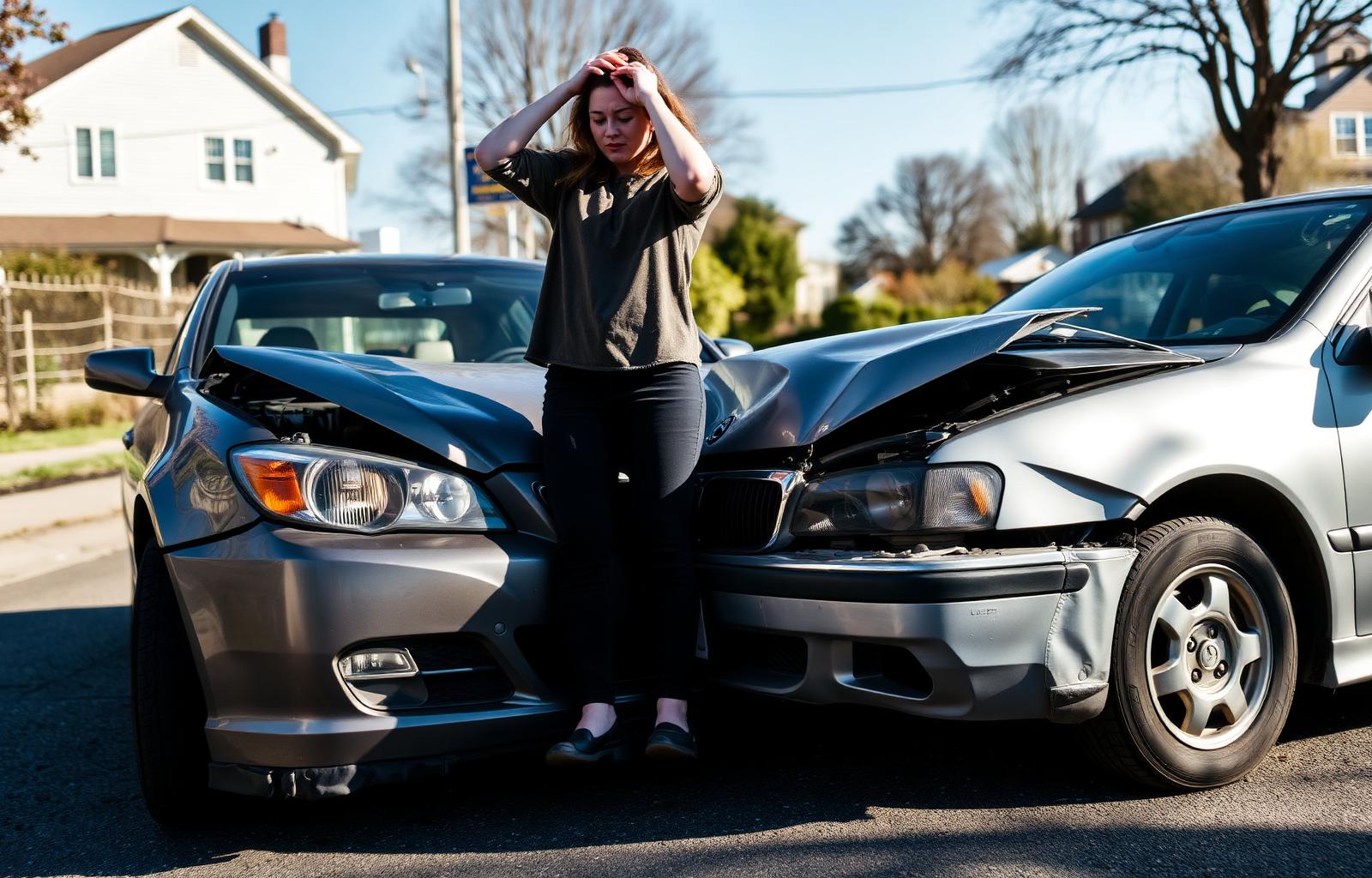
Every day, millions of American drivers hit the road without valid car insurance. According to the Insurance Research Council, roughly 1 in 8 drivers in the United States is uninsured at any given time. That means every time you pull out of your driveway, there is a real chance the car next to you has zero coverage.
So what happens if one of those drivers crashes into you? Without the right protection, you could be left paying out of pocket for your own medical bills, car repairs, and lost wages — even though the accident was completely their fault.
That is exactly where uninsured motorist coverage comes in. In this guide, we break down everything you need to know about this often-overlooked protection — what it covers, how it works, when you need it, and how to file a claim if the worst happens.
What Is Uninsured Motorist Coverage?
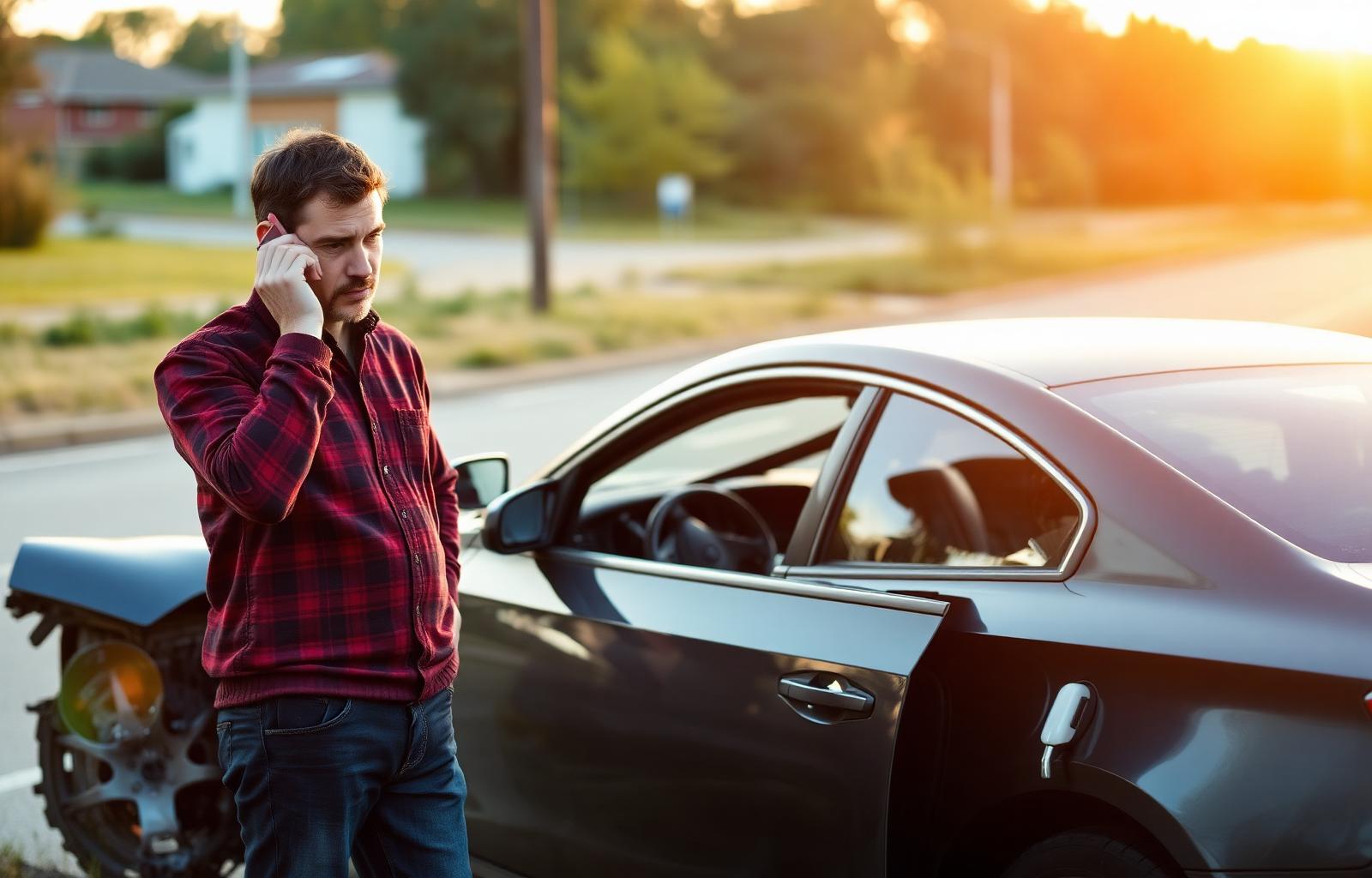
Uninsured motorist coverage, commonly abbreviated as UM coverage, is a type of auto insurance that protects you when you are involved in an accident caused by a driver who has no insurance at all.
Think of it this way: normally, if another driver causes an accident, their liability insurance pays for your damages. But if that driver has no insurance, there is no policy to pay you. Uninsured motorist coverage steps in and acts as a substitute — your own insurance company pays you the compensation you would have received from the at-fault driver.
There are two main types of uninsured motorist coverage:
Uninsured Motorist Bodily Injury (UMBI)
This covers medical expenses, lost wages, pain and suffering, and funeral costs for you and your passengers if an uninsured driver injures you.
Uninsured Motorist Property Damage (UMPD)
This covers the cost of repairing or replacing your vehicle if an uninsured driver damages it.
What Is Underinsured Motorist Coverage?
Closely related to UM coverage is underinsured motorist coverage, or UIM coverage. This protects you when the at-fault driver does have insurance — but their policy limits are too low to cover all of your damages.
For example, if your medical bills total $80,000 but the at-fault driver only carries $25,000 in liability coverage, your underinsured motorist coverage can make up the difference up to your own policy limits.
In many states, UM and UIM coverage are sold together as a combined package. Always check your policy to confirm what you have.
Why Uninsured Motorist Coverage Matters More Than You Think
The Uninsured Driver Problem in America
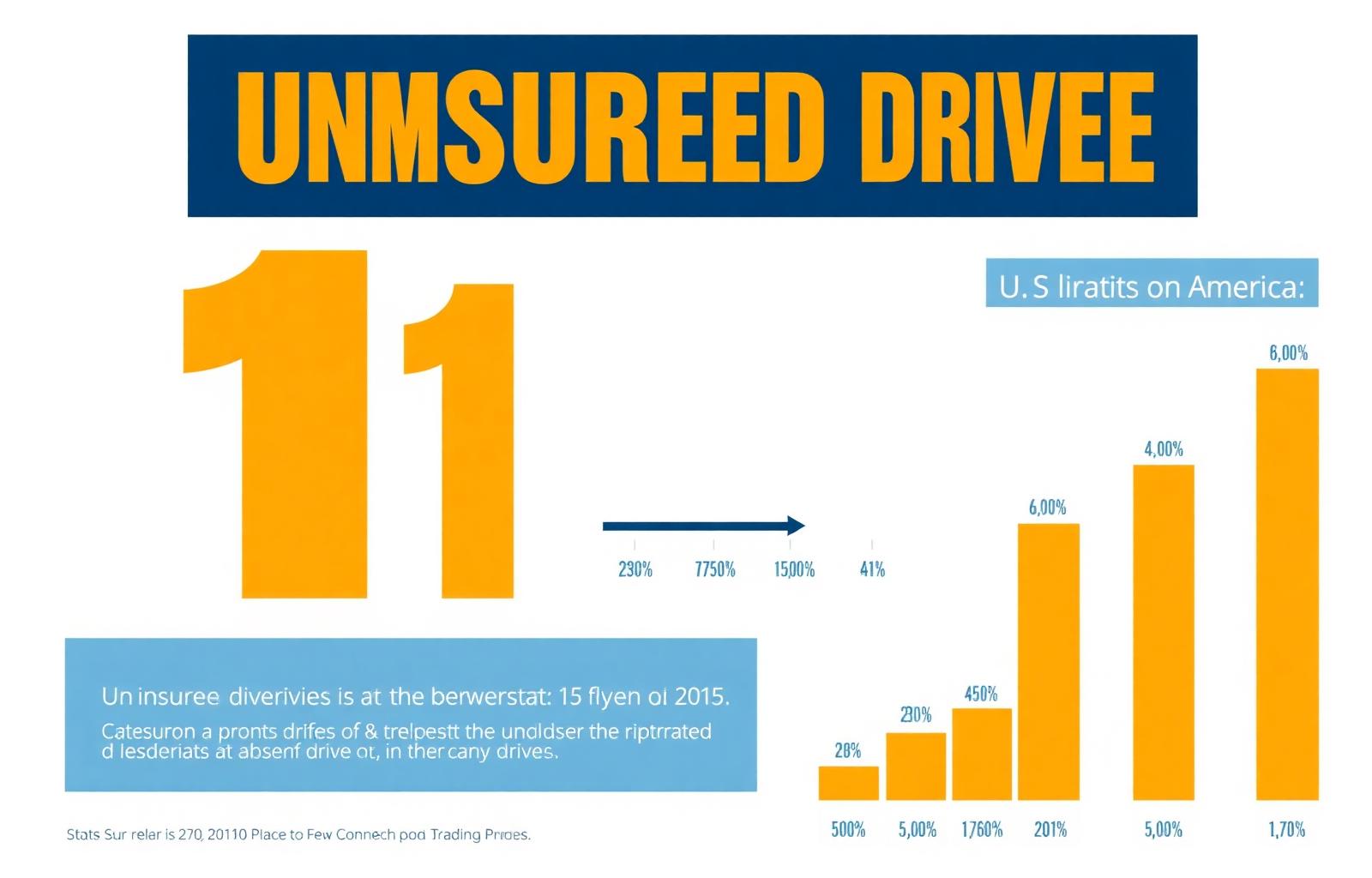
The uninsured driver problem in the United States is significant and growing. Some key facts every driver should know:
- Approximately 14% of all US drivers are uninsured, according to recent industry data.
- In some states like Mississippi, New Mexico, and Tennessee, the uninsured driver rate exceeds 25%.
- Hit and run accidents, where the driver flees the scene, are treated similarly to uninsured driver accidents in most states.
- Medical bills from a serious car accident can easily exceed $100,000 or more.
Without uninsured motorist coverage, you have very limited options for recovering your losses when the at-fault driver has no insurance. The Insurance Information Institute tracks these trends in detail.
Your Legal Options Without UM Coverage Are Limited
Technically, you can sue an uninsured driver in civil court. However, the practical reality is far less satisfying. Most uninsured drivers lack coverage precisely because they cannot afford it — which also means they likely have no significant assets for you to collect from. Even if you win a lawsuit, collecting the money can be nearly impossible.
Uninsured motorist coverage removes this problem entirely by ensuring your own insurance company compensates you directly.
Is Uninsured Motorist Coverage Required by Law?
Requirements vary significantly by state. Currently, more than 20 states require drivers to carry some form of uninsured motorist coverage. These include:
- Illinois
- Maryland
- Massachusetts
- Minnesota
- Missouri
- New York
- North Carolina
- Oregon
- Vermont
- Virginia
- Washington DC
- Wisconsin
In states where it is not required, insurance companies must offer it to you — but you can decline it in writing. However, declining this coverage is a decision many drivers deeply regret after an accident. Always check your specific state's requirements via the National Association of Insurance Commissioners (NAIC) and speak with a licensed insurance agent about what is appropriate for your situation.
What Does Uninsured Motorist Coverage Actually Pay For?
Medical Expenses
UMBI covers hospital bills, emergency room visits, surgery costs, physical therapy, prescription medications, and any ongoing medical treatment related to injuries from the accident.
Lost Wages
If your injuries prevent you from working, UMBI can compensate you for the income you lose during your recovery period.
Pain and Suffering
Beyond just the financial losses, UMBI can also provide compensation for the physical pain and emotional distress caused by your injuries.
Vehicle Repairs
UMPD covers the cost of repairing your vehicle after a collision with an uninsured driver. Note that some states require you to identify the uninsured driver before UMPD applies — hit and run claims may be handled differently depending on your state.
Funeral and Death Benefits
In the tragic event that a family member is killed by an uninsured driver, UMBI can help cover funeral expenses and provide compensation to surviving family members.
What Uninsured Motorist Coverage Does NOT Cover
It is equally important to understand the limitations of this coverage:
- Your own liability: UM coverage does not protect you if you are at fault in an accident.
- Intentional acts: Damage caused deliberately is not covered.
- Business use: If you were using your car for commercial purposes at the time of the accident, your personal UM coverage may not apply.
- Vehicles not listed on your policy: Coverage typically only applies to vehicles specifically listed on your policy.
How to File an Uninsured Motorist Claim
If you are involved in an accident with an uninsured driver, follow these steps carefully.
Step 1: Call the Police Immediately
Always file a police report, even for minor accidents. This document is critical for your UM claim. The report will confirm that the other driver had no insurance and establish the facts of the accident.
Step 2: Document Everything at the Scene
Take photographs of all vehicle damage, the accident scene, road conditions, and any visible injuries. Collect contact information from all witnesses present.
Step 3: Get Medical Attention Right Away
Even if you feel fine, see a doctor as soon as possible after the accident. Delayed medical treatment can be used by insurance companies to argue that your injuries were not serious or not caused by the accident.
Step 4: Notify Your Own Insurance Company
Contact your insurance company promptly to report the accident and begin the UM claims process. Provide them with the police report number and all documentation you collected.
Step 5: Cooperate With the Investigation
Your insurance company will investigate the claim much like they would investigate a standard claim. They may request a recorded statement, medical records, and other documentation.
Step 6: Negotiate Your Settlement
Your insurance company will make a settlement offer based on your damages. Remember that you have the right to negotiate this offer. If the amount seems too low, you can present additional evidence or consult a car accident lawyer. The Consumer Financial Protection Bureau publishes free guidance on disputing insurer decisions.

How Much Uninsured Motorist Coverage Do You Need?
Financial experts and insurance professionals generally recommend carrying UM and UIM limits that match your liability coverage limits. For example, if you carry $100,000 per person and $300,000 per accident in liability coverage, you should ideally carry the same limits in UM and UIM coverage.
At a minimum, consider:
- $100,000 per person in UMBI coverage
- $300,000 per accident in UMBI coverage
- $25,000 to $50,000 in UMPD coverage
The cost of increasing your UM coverage limits is typically quite affordable — often just a few extra dollars per month — making it one of the best value additions to any auto insurance policy.

Key Takeaways
- 1 in 8 American drivers is uninsured, making UM coverage essential.
- Uninsured motorist coverage pays your bills when the at-fault driver has no insurance.
- Underinsured motorist coverage fills the gap when the at-fault driver's limits are too low.
- More than 20 states require UM coverage by law.
- UM coverage pays for medical bills, lost wages, pain and suffering, and vehicle repairs.
- Always file a police report and seek medical attention immediately after an accident.
- Match your UM limits to your liability coverage limits for maximum protection.
Conclusion
Uninsured motorist coverage is one of the most important — and most underappreciated — protections in any auto insurance policy. With roughly 1 in 8 American drivers on the road without insurance, the risk of being hit by an uninsured driver is very real.
The cost of adding or increasing your UM coverage is small compared to the financial devastation of an accident with an uninsured driver. Do not wait until you need it to find out you do not have it.
Review your policy today, confirm your coverage limits, and make sure you and your family are fully protected no matter who is behind the wheel of the other car. For the broader picture, read our companion guides on what to do immediately after a car accident and how to file a car insurance claim.
Frequently asked questions
Does uninsured motorist coverage apply to hit and run accidents?+
In most states, yes. However, many insurers require that there be physical contact between your vehicle and the fleeing vehicle to qualify for UMPD. UMBI typically applies to hit and run injuries. Check your specific policy and state laws for details.
Will filing a UM claim raise my insurance rates?+
In most states, filing a UM claim should not raise your rates since you were not at fault. However, policies vary by insurer and state. Ask your agent specifically about this before filing.
Can I use UM coverage if I am a pedestrian hit by an uninsured driver?+
Yes, in most states your UM coverage follows you as a person, not just your vehicle. This means it can cover you as a pedestrian or even as a passenger in someone else's car.
What if my insurance company lowballs my UM claim?+
You have the right to dispute the offer. Gather all medical records, repair estimates, and evidence of lost wages. Consider consulting a car accident lawyer who specializes in insurance claims to help you negotiate a fair settlement.
Continue reading
Sources
Have you ever filed a car insurance claim?
Share your experience or send us a tip — our reporters read every email and use anonymized stories to shape future coverage.
Send us your storyMore from Crash & Cover
Full Coverage vs Liability Insurance — Which One Should You Choose?
Full coverage vs liability insurance is one of the most financially significant decisions you make as a driver. Here is what each really covers and how to choose.
Daniel Reyes · May 17, 2026 · 14 min

Car Insurance Deductibles Explained — How to Choose the Right Amount
Your deductible is one of the most important decisions in your car insurance policy. Learn how deductibles work, how they affect your premium, and how to choose the right amount for your situation.
Daniel Reyes · May 16, 2026 · 10 min
Liability vs Full Coverage: What Each Auto Insurance Type Actually Pays For
'Full coverage' is a marketing phrase, not a policy. Here is what liability, collision, and comprehensive really pay for.
Eve Lambert · Apr 28, 2026 · 13 min