Real Accident Stories & Lessons
Lessons From a $25,000 Fender Bender: One Driver's Real Insurance Story
It looked like a $400 scrape. Six months later it was a $25,000 claim. Here is exactly how it unfolded — and what you should do differently.
By Maya Doroshenko · April 22, 2026 · 12 min read
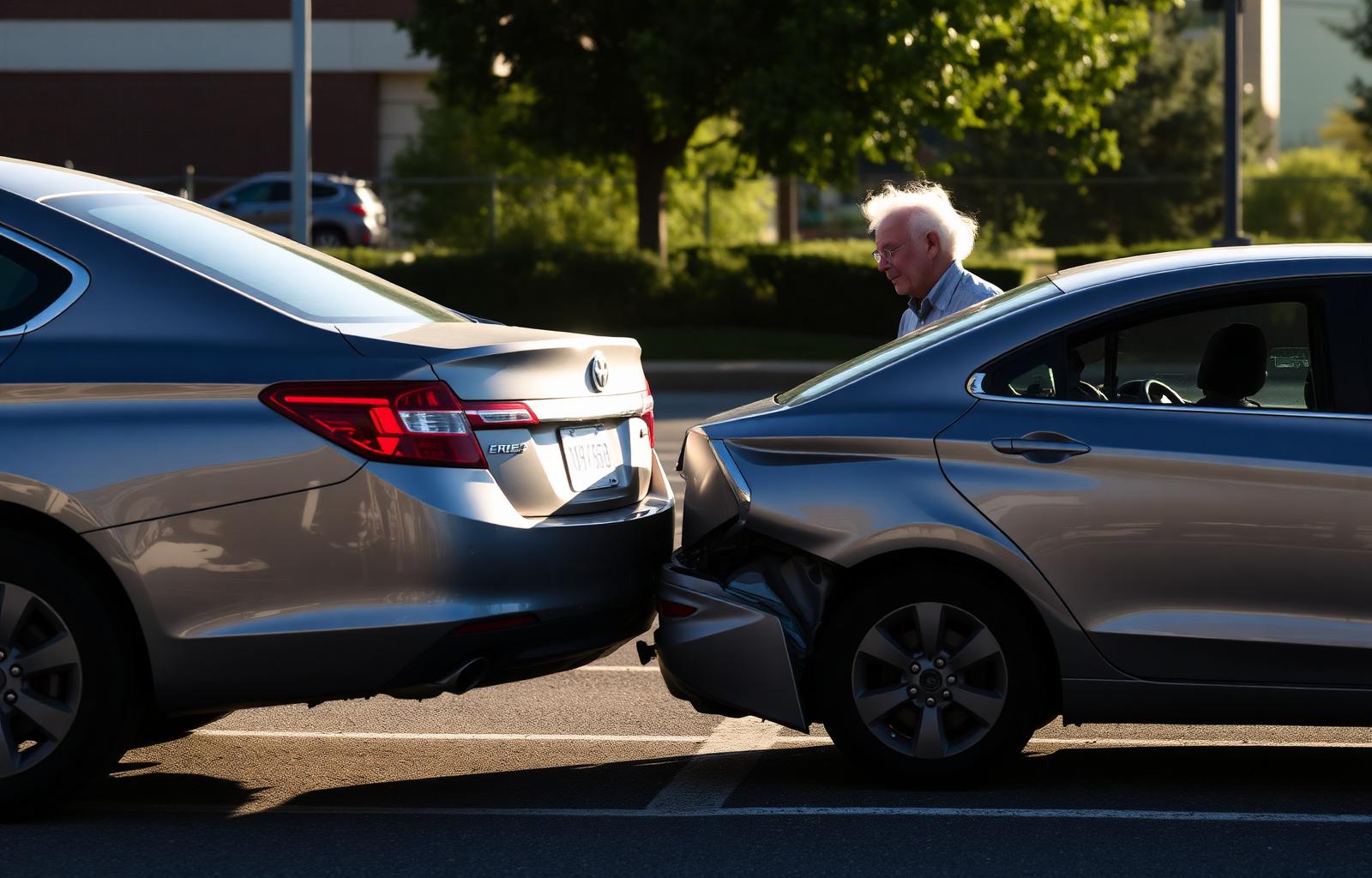
Renee, a 41-year-old marketing director in suburban Atlanta, was backing out of a grocery store parking spot when an SUV tapped her rear bumper at maybe 7 mph. Both drivers got out, looked at the scuff, and exchanged numbers. "It honestly felt like nothing," she remembers.
Six months later, Renee's car accident insurance claim closed at $25,400. The path from "no big deal" to a five-figure settlement is the kind of story insurance adjusters see every week — and the kind drivers almost never hear about until it happens to them.
This is the full timeline of Renee's claim, the specific mistakes that nearly cost her everything, and the practical playbook every driver should keep in their glove box. If you only have two minutes, jump straight to the Key Takeaways at the bottom.
Day 1: The "no big deal" moment
Renee did not call the police. She did not photograph the SUV's license plate. She trusted the other driver to "just handle it" with a cash offer. By Day 4, the other driver had stopped answering her texts.
"My single biggest regret is trusting that the friendly conversation in the parking lot would carry into the next week. It never does."
Why the parking lot conversation almost never holds up
In the moment, both drivers want the same thing: to get on with their day. That shared incentive feels like agreement, but it is not a contract. Once the other driver gets home, talks to a spouse, sees a body shop estimate, or remembers their deductible, the math changes. By the time they decide they would rather not pay, you have no police report, no photos, and no independent witness — only a name scribbled on the back of a receipt.
A neutral police report does three things a handshake cannot: it locks in the date, time, and location; it captures both drivers' statements while memories are fresh; and it gives your insurer something objective to work from when the other side's story shifts.
The five-minute scene checklist Renee wishes she had used
- Call 911 or the non-emergency line and request an officer, even for parking-lot taps.
- Photograph all four corners of both vehicles, plus the license plates and VIN through the windshield.
- Photograph the other driver's license and insurance card, not just write the numbers down.
- Look up and note any nearby security cameras (storefronts, ATMs, doorbell cams across the street).
- Ask any witness for a name and phone number before they walk away.
For a deeper scene-by-scene playbook, see our 10-step checklist for after a car accident.
Week 2: The neck pain that wasn't a pillow
Stiffness she attributed to a bad pillow turned into burning pain down her right arm. Imaging revealed two herniated cervical discs consistent with a low-speed rear impact — a far more common injury than most drivers realize.

Why low-speed crashes still hurt people
Insurers love the phrase "minor impact, soft tissue" — internally abbreviated MIST — because it justifies low offers. But peer-reviewed biomechanical research has documented herniated discs, concussions, and chronic whiplash from impacts well under 10 mph, especially when the head is turned, the seat is reclined, or the headrest is misaligned. Your body does not care about the photo of the bumper. It cares about the forces transferred through your spine.
The 72-hour rule that protects your claim
Every day you delay seeing a doctor gives the insurer ammunition to argue the injury is unrelated. A simple urgent-care visit within 72 hours — even just to document neck stiffness — creates a contemporaneous medical record that anchors every later diagnosis to the crash. It is the single cheapest piece of evidence you will ever buy.
Month 2: The denial letter
Renee filed a claim with the other driver's insurer. They denied it on two grounds: no police report, and a 17-day gap before her first medical visit. Their position: any injury that surfaces two weeks after a 7 mph impact "could not be related."
How insurers build a denial
A denial is rarely about one fact. It is a stack of small inconsistencies the adjuster assembles into a story: the lack of a police report, the delay in treatment, a recorded statement where you said "I'm fine," a social media photo of you smiling at a birthday party. Each item alone is weak. Together, they become a narrative the adjuster can defend to a supervisor.
This is also why what you say in the first phone call matters so much. Our guide on what to say (and not say) to an insurance adjuster walks through the exact phrases that protect your claim and the casual answers that quietly sink it.
What to do the day you receive a denial
- Request the denial in writing, citing the specific policy language used to deny.
- Do not give a second recorded statement without legal advice.
- Start a single timeline document: every call, every name, every reference number.
- Read our step-by-step guide on how to fight a denied car insurance claim before you respond.
Month 4: Bringing in a lawyer
A personal injury attorney took the case on contingency. He gathered the parking lot's surveillance footage (preserved with one day to spare), collected biomechanical evidence on low-speed disc injuries, and sent a formal demand letter.

Why "contingency" changed the negotiation
Contingency means the lawyer is paid only if Renee recovers money — typically one-third of the settlement. From the insurer's perspective, that single change tells them the file will now be worked, every record requested, every deadline tracked. Many low offers exist precisely because the insurer is betting you will not hire a lawyer. If you want to understand the economics, read our breakdown of how car accident lawyer contingency fees actually work.
The evidence the lawyer pulled together
- Grocery store surveillance video (saved at day 29 of a 30-day overwrite cycle).
- Full medical records, including the urgent-care note that finally got created at Week 2.
- An independent biomechanical expert's affidavit on low-speed disc injuries.
- Lost-wage documentation from Renee's employer.
- A clean, chronological demand letter that put a number on the case for the first time.
Month 6: The $25,400 settlement
The case settled for $25,400 — covering medical bills, physical therapy, lost work, and pain and suffering. After the contingency fee, Renee netted roughly $16,800. Without the lawyer, the insurer's last verbal offer had been $1,200.
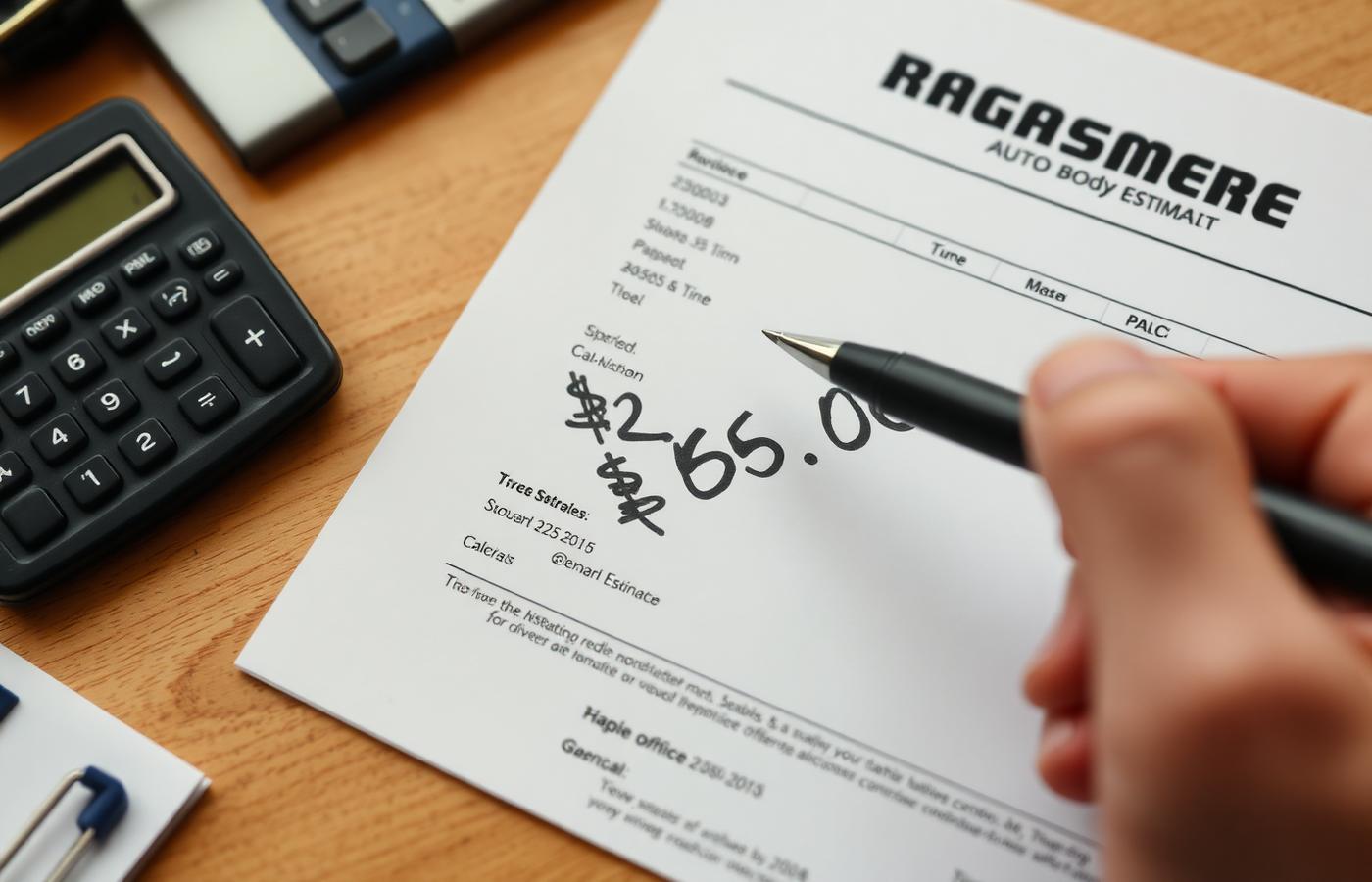
How the $25,400 broke down
- Medical bills and imaging: ~$9,200
- Physical therapy (6 months): ~$4,800
- Lost wages and reduced hours: ~$3,400
- Vehicle repair: ~$2,000
- Pain, suffering, and loss of enjoyment: ~$6,000
None of those line items were unusual. What is unusual is that most drivers in Renee's position settle for the first call's offer — somewhere between $800 and $2,500 — because they have no idea the underlying claim is worth ten times that. For a wider view of how settlements are calculated, see our guide on how much money a car accident settlement is really worth.
What every driver can learn
- Always call the police, even for a parking lot tap. A neutral report is free insurance.
- Photograph the plate, the driver's license, and the insurance card. Names alone are not enough.
- See a doctor within 72 hours even if you "feel fine." Soft-tissue injuries often delay surfacing.
- Never accept a cash offer at the scene in exchange for not filing a claim.
- Preserve evidence early — surveillance footage at most stores is overwritten in 14–30 days.
- Treat the first adjuster call as evidence collection, not friendly conversation. Stick to facts.
- Check your own coverage — uninsured/underinsured motorist protection often steps in when the other driver disappears or under-insures. Our guide to uninsured motorist coverage explains how.
Coverage gaps Renee discovered too late
Renee's policy had the state minimum for medical payments coverage and no uninsured/underinsured motorist add-on. Both would have cost her less than $90 a year. Both would have changed everything about the first three months of her claim.
MedPay: the small line item that pays first
Medical Payments Coverage (MedPay) pays your medical bills up to the policy limit regardless of who was at fault, with no deductible and no waiting for the other insurer to admit liability. Even a $5,000 MedPay limit would have covered Renee's urgent care, her first MRI, and the initial round of physical therapy — eliminating the financial pressure that nearly forced her into a $1,200 settlement.
UM/UIM: protection when the other driver disappears
If the SUV driver had been uninsured, underinsured, or simply unreachable, Renee's own uninsured/underinsured motorist (UM/UIM) coverage would have stepped in. UM/UIM is one of the highest-value dollars in a typical auto policy — and one of the most commonly skipped at quote time. If you have never reviewed it, start with our UM coverage explainer.
The negotiation tactics that doubled the offer
Anchor with documentation, not emotion
The demand letter did not lead with how much pain Renee was in. It led with hard numbers: medical bill totals, wage statements, the biomechanical expert's report. Adjusters are trained to discount emotion and respond to documentation. Lead with the latter.
Make the lawsuit cost real
The letter set a deadline and named the venue where suit would be filed. That single sentence shifted the file from "nuisance claim" to "litigation budget" — and litigation budgets are calculated very differently.
Never accept the first offer
The first written offer was $4,200. The lawyer's counter, with the same evidence already on file, opened at $42,000. They settled in the middle. The lesson is not that every claim doubles — it is that the first number is almost always a test.
Key Takeaways
- A "minor" crash is only minor in retrospect — document it like it might become a $25,000 claim.
- A police report and date-stamped photos are free evidence that disappears within minutes of you driving away.
- See a doctor within 72 hours. The medical record is the spine of every injury claim.
- Denials are usually a stack of small inconsistencies. Stop adding to the stack on the first phone call.
- Contingency-fee representation changes the insurer's math more than any single piece of evidence.
- MedPay and UM/UIM are the cheapest coverages on the menu and the most useful when a claim turns serious.
- The first settlement offer is almost never the real offer.
The lesson in one sentence
A "minor" crash is only minor in retrospect. Treat every accident like it might become a $25,000 claim, because the moment it does, you can no longer go back and document it correctly.
Frequently asked questions
Can a 7 mph crash really cause a serious injury?+
Yes. Peer-reviewed biomechanical research has documented herniated discs, concussions, and chronic whiplash from impacts well under 10 mph, especially if the head is turned at the moment of collision.
How long do I have to report an accident to insurance?+
Most policies require notice within 24 to 72 hours. Waiting longer gives the insurer grounds to argue the injury is not crash-related.
Continue reading
Sources
Have you ever filed a car insurance claim?
Share your experience or send us a tip — our reporters read every email and use anonymized stories to shape future coverage.
Send us your storyMore from Crash & Cover
Real Story: My Parked Car Was Totaled While I Was at Work — Here Is How I Got Full Compensation
Marcus Thompson came back from work to find his parked Honda destroyed by a hit and run driver. Four months later he had $2,400 more than the insurer's first offer. Here is exactly how he did it.
Marcus Thompson · May 16, 2026 · 11 min

Real Story: I Was Hit by a Drunk Driver — Here Is What Happened to My Insurance Claim
Sarah Mitchell was hit by a drunk driver on a Tuesday evening. The crash was over in seconds — the insurance ordeal took 18 months. This is what she learned the hard way.
Sarah Mitchell · May 16, 2026 · 12 min

How to Negotiate an Insurance Settlement After a Car Accident — Step by Step Guide
The insurance company's first offer is almost never their best offer. Here is the step-by-step playbook for countering lowball offers and negotiating the settlement you actually deserve.
Daniel Reyes · May 21, 2026 · 16 min