Real Accident Stories & Lessons
Real Story: My Parked Car Was Totaled While I Was at Work — Here Is How I Got Full Compensation
Marcus Thompson came back from work to find his parked Honda destroyed by a hit and run driver. Four months later he had $2,400 more than the insurer's first offer. Here is exactly how he did it.
By Marcus Thompson · May 16, 2026 · 11 min read
Introduction
Marcus Thompson had been at his desk for less than two hours when his phone rang. It was a stranger calling from the parking lot outside his office building in Phoenix, Arizona.
"I think someone hit your car pretty bad," the stranger said. "You should come down."
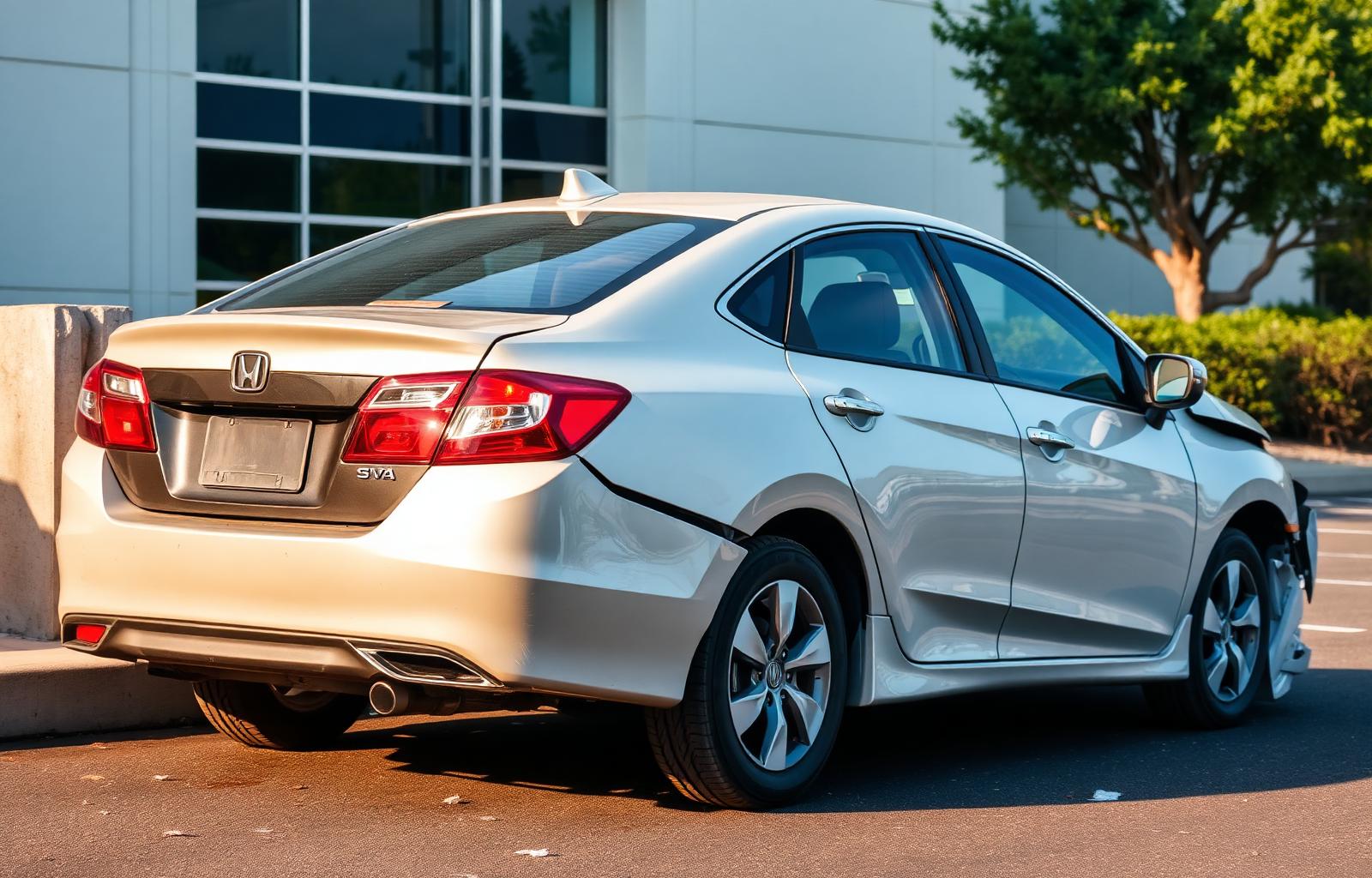
Marcus walked out to find his three-year-old Honda Accord crumpled against a concrete barrier. The rear quarter panel was destroyed. The trunk would not close. The rear axle was visibly bent. And the vehicle that had caused the damage was gone — no note, no witnesses who saw the driver, nothing but a trail of broken plastic and tire marks.
What followed was a four-month journey through insurance claims, repair estimates, total loss negotiations, and a battle to get the full value of his vehicle rather than the lowball number his insurance company initially offered.
This is Marcus's story — and the lessons he learned that every driver needs to know before something similar happens to them.

The Scene — What Marcus Found in the Parking Lot
The damage was immediately obvious and severe. The unknown vehicle had struck the rear driver's side of Marcus's Accord with enough force to push it into the concrete barrier, causing damage to both sides of the car.
Marcus did the right things instinctively. He called the police immediately rather than just filing an online report. He photographed every angle of the damage extensively. He photographed the tire marks and debris field. He knocked on doors of nearby businesses looking for anyone who might have seen what happened or who had security cameras covering the lot.
Two nearby businesses had cameras. One camera had been offline for maintenance. The second captured a partial image of a large dark-colored SUV leaving the lot at high speed approximately forty minutes before Marcus came down — but the license plate was not visible.
The police officer who responded took a full report, documented the camera footage, and noted that without a legible plate number, identifying the responsible vehicle would be extremely difficult.
Marcus left the parking lot that day with a heavily damaged car, a police report number, and a deep sense of frustration. For a full breakdown of what to do next, see our guide on how to file a hit and run insurance claim.
The Insurance Claim — The First Call and What Happened Next
Marcus carried full coverage on his Accord including comprehensive coverage, collision coverage with a $500 deductible, and uninsured motorist property damage coverage.
He called his insurance company from the parking lot. The claims adjuster he spoke with was efficient and professional. She explained that since the responsible driver had fled and could not be identified, Marcus had two potential coverage options:
Option 1 — Collision Coverage
Marcus could file under his collision coverage with his $500 deductible. This would cover the repair costs regardless of fault.
Option 2 — Uninsured Motorist Property Damage
In Arizona, uninsured motorist property damage coverage can apply to hit and run incidents. However, Arizona requires physical contact evidence to be established — which the police report and damage documentation satisfied.
The adjuster recommended filing under collision coverage for faster processing. Marcus agreed and the claim was opened immediately.
The Insurance Adjuster Came to Inspect the Vehicle
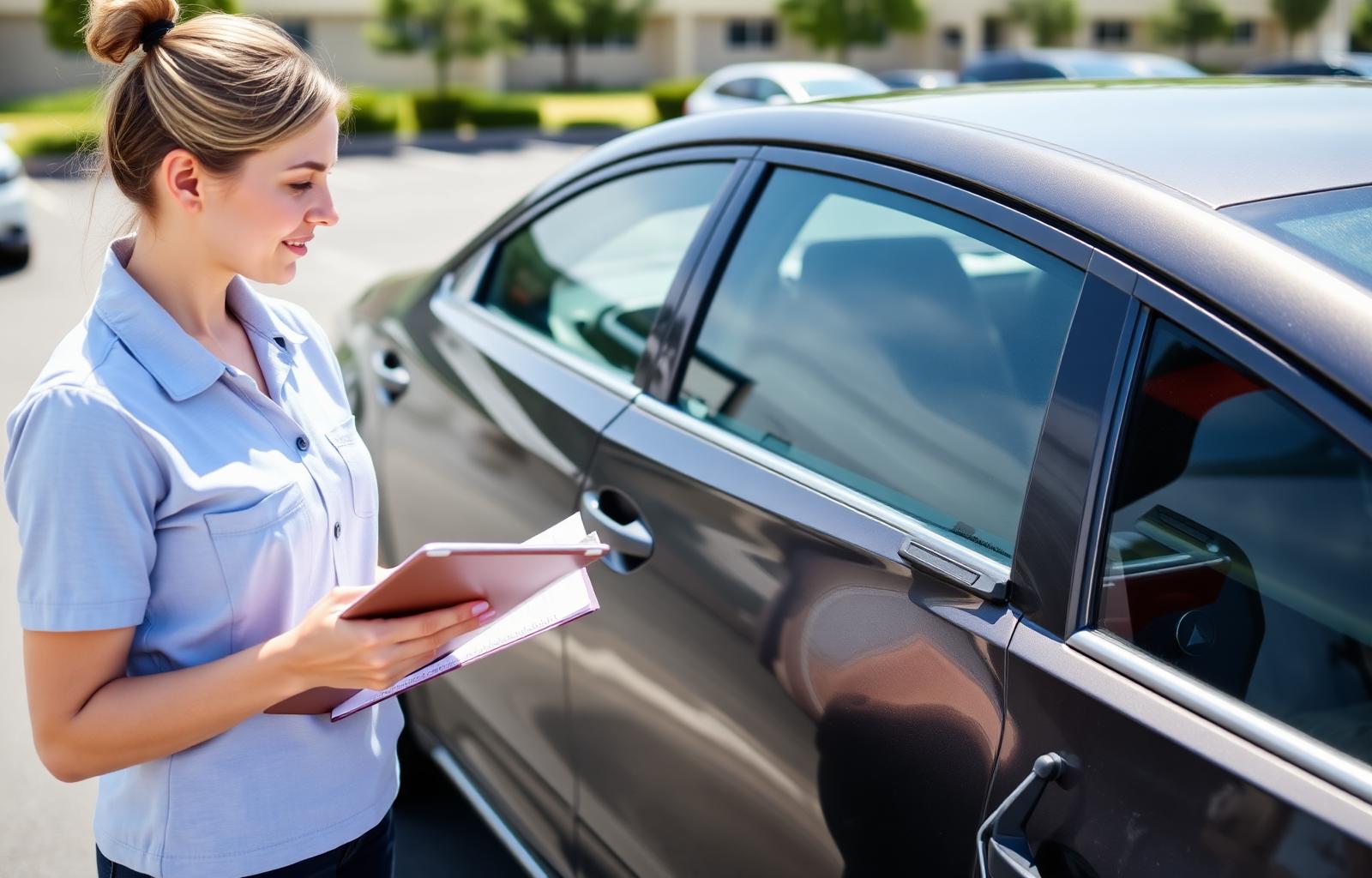
Two days later, an insurance adjuster came to inspect the vehicle. After a thirty-minute inspection, she delivered news Marcus had not been fully prepared for.
"Based on our assessment, the repair costs exceed the actual cash value of the vehicle," she told him. "We are going to declare this a total loss."
Marcus's Accord was three years old with 47,000 miles. He had maintained it meticulously. In his mind it was worth at least $18,000 to $19,000. The adjuster told him the insurance company's assessed actual cash value was $14,200.
This is where Marcus's real battle began.
The Total Loss Dispute — Fighting for Full Value
Marcus was not satisfied with $14,200. He knew his car was worth more. But he also had no idea how to prove it or what leverage he had. He started researching immediately.
Understanding Actual Cash Value
Marcus learned that insurance companies calculate actual cash value using their own proprietary tools and databases. These calculations are not always accurate and can undervalue a vehicle significantly — particularly well-maintained vehicles or those in markets where used car prices are higher than national averages.
He also learned something critically important: the insurance company's initial total loss valuation is not final. It is a starting offer — and it can be negotiated. The same principles apply to any car accident settlement — first offers are rarely final.
Building His Counter-Argument
Marcus spent three evenings building a detailed counter-argument for a higher valuation. He documented:
- Comparable Vehicle Listings — He searched every major used car platform — CarGurus, AutoTrader, Cars.com, and local dealership websites — for Honda Accords of the same year, trim level, mileage range, and color available within 50 miles of Phoenix. He found eleven comparable vehicles ranging from $16,800 to $20,500, averaging $18,400.
- Vehicle Condition Documentation — Every maintenance record for the car — oil changes, tire rotations, brake service, and one minor repair eighteen months earlier. The car had never been in a prior accident.
- Recent Improvements — Six months before the accident, Marcus had replaced all four tires with premium tires at a cost of $800. He had the receipt.
- Independent Appraisal — Marcus paid $150 for an independent appraisal from a licensed auto appraiser. The appraiser assessed the vehicle's actual cash value at $17,800.
The Negotiation
Marcus submitted his counter-argument in a formal written letter to the insurance company's total loss department. He included the comparable vehicle listings, maintenance records, tire receipts, and the independent appraisal.
He received a response within five business days. The insurance company revised their offer upward to $16,500 — an increase of $2,300 from their initial offer but still below the independent appraisal.
Marcus countered at $17,500. After two more rounds of negotiation spanning three weeks, they settled at $17,100.
After his $500 deductible, Marcus received $16,600 — more than $2,400 more than he would have received if he had accepted the first offer. If your insurer refuses to budge at all, our guide on how to fight a denied car insurance claim covers the next escalation steps.

The Rental Car Battle
While the total loss dispute was ongoing, Marcus needed transportation. His policy included rental car coverage up to $35 per day for a maximum of 30 days.
What Marcus did not realize was that the 30-day clock started from the date of the accident — not the date the total loss was declared or the date the settlement was paid.
By the time the total loss was declared on day eight and the settlement was paid on day thirty-one, Marcus had exceeded his rental coverage by one day and was in the middle of negotiating a better settlement price. He ended up paying two days of rental car costs out of pocket — a minor but avoidable expense.
What Marcus Learned About Rental Coverage
Always clarify with your insurance company exactly when your rental coverage clock starts and ends. If a total loss dispute is expected to extend beyond your rental coverage period, ask your insurance company whether they will extend coverage during an active dispute. Some will — particularly if the delay is caused by their own valuation process.
Finding a Replacement Vehicle
With his settlement check in hand, Marcus faced the used car market in Phoenix — a market where prices had risen significantly in recent years. His $16,600 settlement covered a good portion of a replacement vehicle but not all of it.
He ultimately purchased a comparable one-year-older Accord with slightly higher mileage for $15,200 — coming out slightly ahead of his settlement after negotiating the purchase price down from the dealer's asking price of $16,800.
"The negotiation skills I developed arguing with my insurance company turned out to be useful when buying the replacement car," Marcus said with a laugh. "I was not willing to accept the first number anyone gave me anymore."
What Marcus Did Right — And What He Would Do Differently
What He Did Right
- Called police immediately instead of filing an online report — the in-person police response and thorough documentation created a strong foundation for his claim.
- Photographed everything extensively — his photographs documented the full extent of the damage and helped establish the severity of the impact.
- Located and documented available security camera footage — even though the footage was not sufficient to identify the responsible vehicle, its existence in the police report strengthened the claim.
- Researched before accepting the total loss valuation — his research and counter-argument resulted in a significantly higher settlement.
- Got an independent appraisal — the $150 appraisal fee returned approximately $2,900 in additional settlement money, a return on investment of nearly 2,000%.
What He Would Do Differently
- Started the rental car clock conversation earlier — understanding exactly how rental coverage worked from day one would have avoided the out-of-pocket expense at the end.
- Asked about gap insurance before the accident — Marcus was making loan payments on his Accord. If the total loss valuation had come in below his loan balance, he would have been responsible for the difference. Gap insurance would have protected him completely.
- Documented the vehicle's condition with annual photos — Marcus had maintenance records but no systematic photographic documentation of the car's condition over time.
Key Lessons From Marcus's Story
Lesson 1 — Always Call Police for a Hit and Run Even in a Parking Lot
An in-person police report is more valuable than an online self-report for insurance claims. It demonstrates the seriousness of the damage and creates an official record.
Lesson 2 — The Insurance Company's Total Loss Valuation Is a Starting Offer
Never accept a total loss valuation without researching comparable vehicles in your local market. The difference between their first offer and a negotiated settlement can be thousands of dollars.
Lesson 3 — An Independent Appraisal Is Worth Every Dollar
A $100 to $200 independent appraisal provides professional documentation that gives you significant leverage in total loss negotiations.
Lesson 4 — Understand Your Rental Coverage Before You Need It
Know exactly how your rental coverage works — when the clock starts, when it ends, and what happens during a dispute period.
Lesson 5 — Consider Gap Insurance If You Have a Car Loan
If your vehicle is totaled and its actual cash value is less than your remaining loan balance, you are responsible for the difference. Gap insurance eliminates this risk entirely for a very low additional premium.
Lesson 6 — Maintenance Records Add Real Value
Documented maintenance history supports a higher vehicle valuation. Keep every record and receipt.

Key Takeaways
- A parked car hit and run can be claimed under collision coverage or uninsured motorist property damage coverage depending on your state and policy
- Total loss valuations are negotiable — research comparable vehicles and get an independent appraisal
- Rental car coverage clocks can start earlier than you expect — clarify this with your insurer immediately
- Gap insurance is essential for drivers with car loans whose vehicle value may be less than the loan balance
- An independent appraisal costing $150 returned nearly $3,000 in additional settlement money in Marcus's case
- Maintenance records, comparable vehicle research, and documented improvements all support a higher total loss valuation
- Never accept any insurance settlement without understanding whether it fully covers your actual loss
Conclusion
Marcus's story is a reminder that insurance claims — even seemingly straightforward ones — require knowledge, persistence, and a willingness to advocate for yourself.
His parked car was totaled through no fault of his own. The responsible driver was never identified. And yet by knowing his rights, doing his research, and refusing to accept the first number offered, Marcus received thousands of dollars more than he would have if he had simply signed the first settlement document put in front of him.
The insurance system rewards policyholders who understand how it works. Take the time to learn your rights, know your coverage, and never assume that the first offer is the best offer.
Read these related guides on hit and run accident insurance claims, how much a car accident settlement is worth, and how to fight a denied car insurance claim.
About the author: Marcus Thompson is a Phoenix-based driver and consumer advocate who documented his insurance claim experience to help other drivers get fair compensation.
Frequently asked questions
What should I do if my parked car is hit and the driver left no note?+
Call the police immediately to file an in-person report. Document all damage with photographs. Check for nearby security cameras and witnesses. Contact your insurance company promptly. File under collision coverage or uninsured motorist property damage coverage depending on your policy and state.
Can I dispute a total loss valuation from my insurance company?+
Absolutely. Research comparable vehicles in your local market, gather maintenance records, document any recent improvements, and consider getting an independent appraisal. Submit a formal written counter-argument with supporting documentation. Insurance companies regularly revise total loss valuations upward when presented with strong evidence.
What is gap insurance and do I need it?+
Gap insurance covers the difference between your vehicle's actual cash value at the time of a total loss and your remaining loan or lease balance. If you financed your vehicle and the loan balance exceeds the car's market value — common in the first few years of a loan — gap insurance protects you from owing money on a car you no longer have.
Does my insurance rate go up if I file a claim for a hit and run on my parked car?+
In most cases, a not-at-fault claim like a parked car hit and run should not significantly raise your rates. However, policies and state regulations vary. Some insurers may increase rates after any claim regardless of fault. Ask your agent specifically about how a not-at-fault claim affects your premium before filing.
Continue reading
Sources
Have you ever filed a car insurance claim?
Share your experience or send us a tip — our reporters read every email and use anonymized stories to shape future coverage.
Send us your storyMore from Crash & Cover
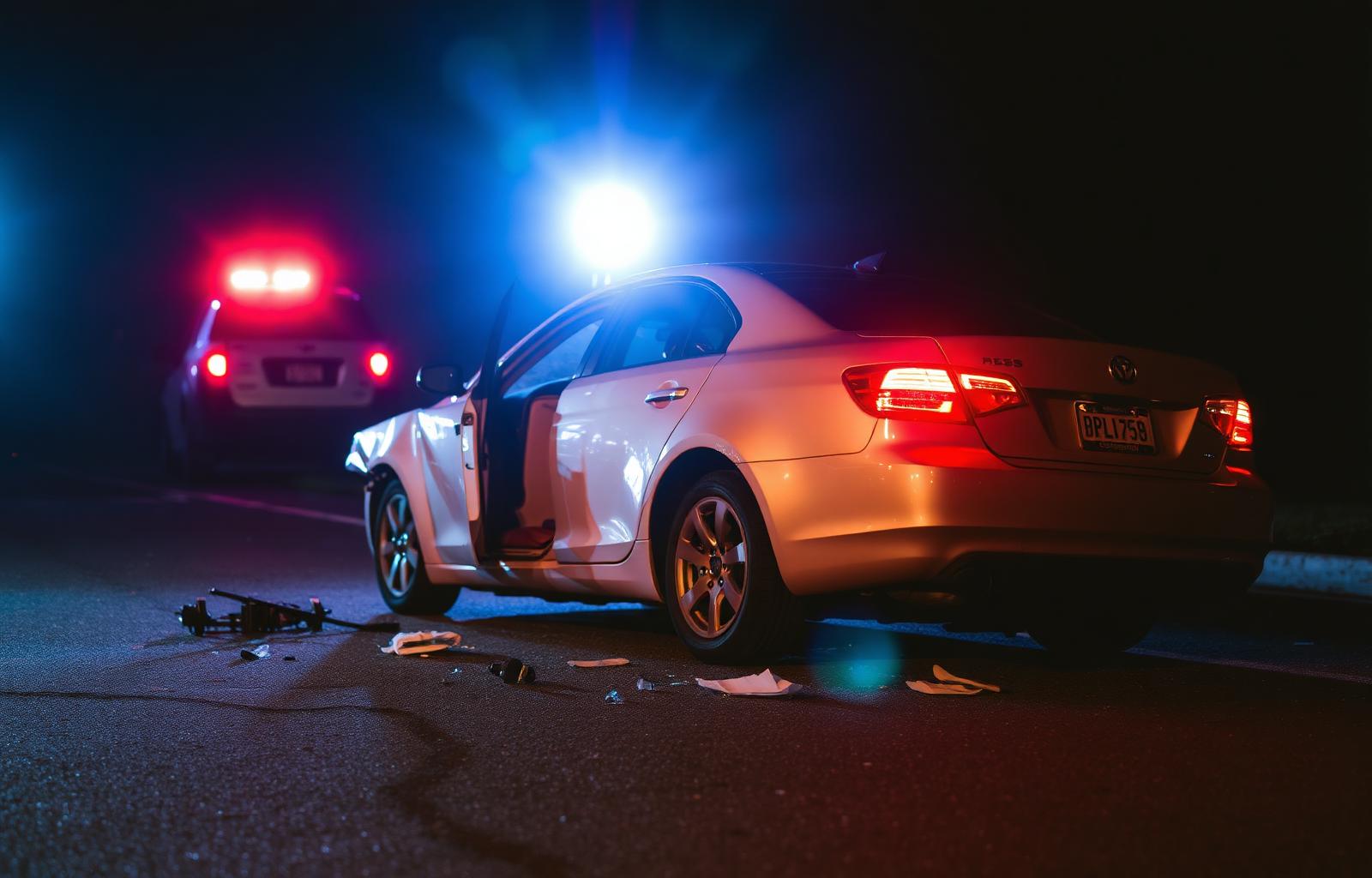
Real Story: I Was Hit by a Drunk Driver — Here Is What Happened to My Insurance Claim
Sarah Mitchell was hit by a drunk driver on a Tuesday evening. The crash was over in seconds — the insurance ordeal took 18 months. This is what she learned the hard way.
Sarah Mitchell · May 16, 2026 · 12 min
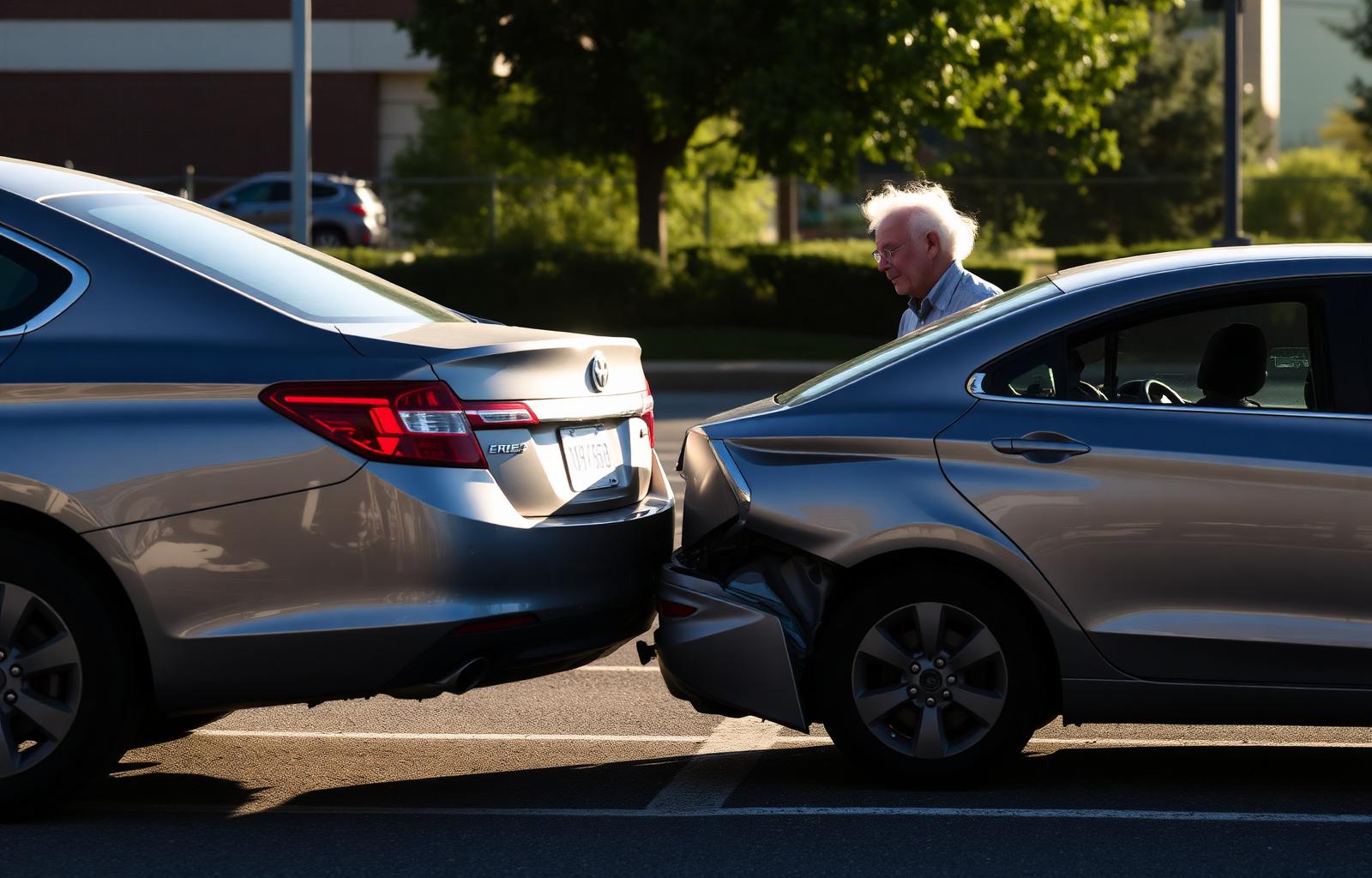
Lessons From a $25,000 Fender Bender: One Driver's Real Insurance Story
It looked like a $400 scrape. Six months later it was a $25,000 claim. Here is exactly how it unfolded — and what you should do differently.
Maya Doroshenko · Apr 22, 2026 · 12 min

How to Negotiate an Insurance Settlement After a Car Accident — Step by Step Guide
The insurance company's first offer is almost never their best offer. Here is the step-by-step playbook for countering lowball offers and negotiating the settlement you actually deserve.
Daniel Reyes · May 21, 2026 · 16 min