Car Accident Claims
Hit and Run Accident — How to File an Insurance Claim When the Driver Flees
A hit and run crash happens every 43 seconds in the US. Here is how to document the scene, file a hit and run insurance claim, and still get paid when the other driver disappears.
By Maya Doroshenko · May 15, 2026 · 12 min read
Introduction
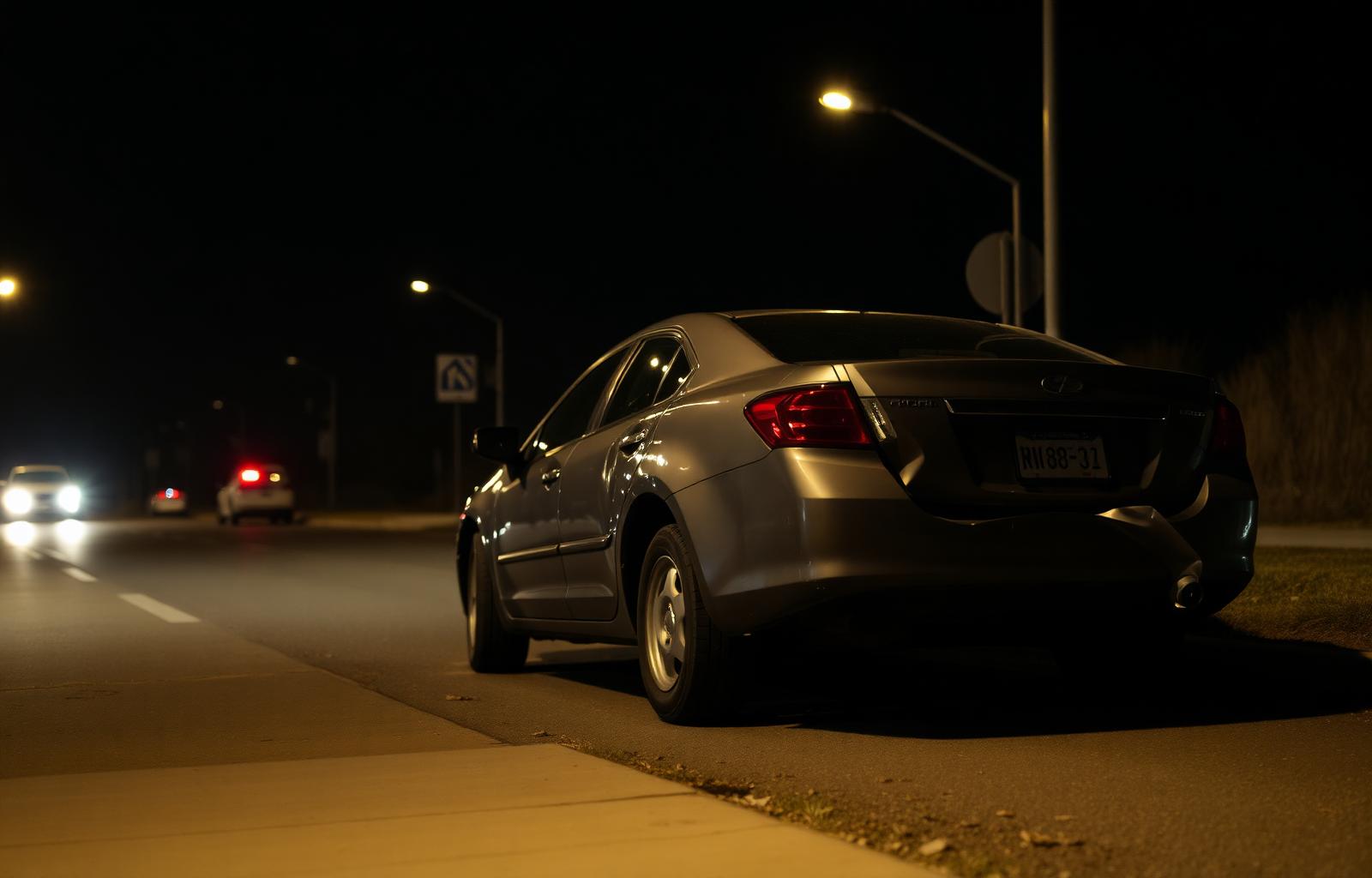
You are sitting at a red light or parked outside a store when it happens. Another vehicle slams into yours and keeps going. No stop. No exchange of insurance information. No apology. Just taillights disappearing into the distance.
Hit and run accidents are more common than most drivers realize. According to the AAA Foundation for Traffic Safety, a hit and run crash occurs somewhere in the United States every 43 seconds. In recent years, hit and run fatalities have reached record highs, making this one of the most serious and frustrating situations any driver can face.
The good news is that being the victim of a hit and run does not automatically mean you are left paying for everything out of your own pocket. With the right steps taken immediately after the accident and the right insurance coverage in place, you can still recover compensation for your damages and injuries.
This guide walks you through exactly what to do after a hit and run accident, how to file an insurance claim, and what your legal options are when the driver who hit you is never found.

What Is a Hit and Run Accident?
A hit and run accident occurs when a driver involved in a collision deliberately leaves the scene without stopping to exchange contact and insurance information or to render aid to anyone who is injured.
Hit and run accidents can take many forms including:
- A driver rear-ending your car at a stoplight and speeding away
- A parked car being struck while you are inside a store and the other driver leaving without leaving a note
- A pedestrian or cyclist being struck by a vehicle that does not stop
- A sideswipe collision on the highway where the other driver accelerates away
In every US state, leaving the scene of an accident is a criminal offense. Penalties range from misdemeanor charges for minor property damage incidents to felony charges when injuries or fatalities are involved. Unfortunately, criminal consequences for the fleeing driver do not automatically compensate you for your losses.
What to Do Immediately After a Hit and Run Accident
The actions you take in the minutes immediately following a hit and run accident are critical. They can determine whether you are able to identify the fleeing driver and significantly affect the outcome of your insurance claim.
Step 1: Stay at the Scene and Stay Safe
Never chase the fleeing vehicle. This is dangerous and can create additional legal complications for you. Pull your vehicle to a safe location if possible and turn on your hazard lights.
Step 2: Call 911 Immediately
Contact the police right away. A police report is essential for a hit and run insurance claim. When the officer arrives, provide as much detail as possible about the fleeing vehicle including the make, model, color, and any portion of the license plate number you were able to observe.
Step 3: Gather as Much Information as Possible
While waiting for police to arrive, document everything you can remember about the fleeing vehicle and the accident:
- License plate number or partial plate number
- Make, model, and color of the vehicle
- Direction the vehicle was traveling when it fled
- Description of the driver if you were able to see them
- Time, date, and exact location of the accident
- Road and weather conditions at the time
Step 4: Look for Witnesses
Look around for anyone who may have witnessed the accident. Witnesses are extremely valuable in hit and run cases. Collect their names and contact information before they leave the scene. A witness who got a clear view of the license plate could make the difference between identifying the driver and never finding them.
Step 5: Check for Surveillance Cameras
Look for nearby security cameras on businesses, traffic lights, parking lots, or ATMs that may have captured the accident or the fleeing vehicle. Note the locations and inform the police officer taking your report. Your attorney or insurance company can follow up to obtain the footage before it is deleted.
Step 6: Take Photographs and Video
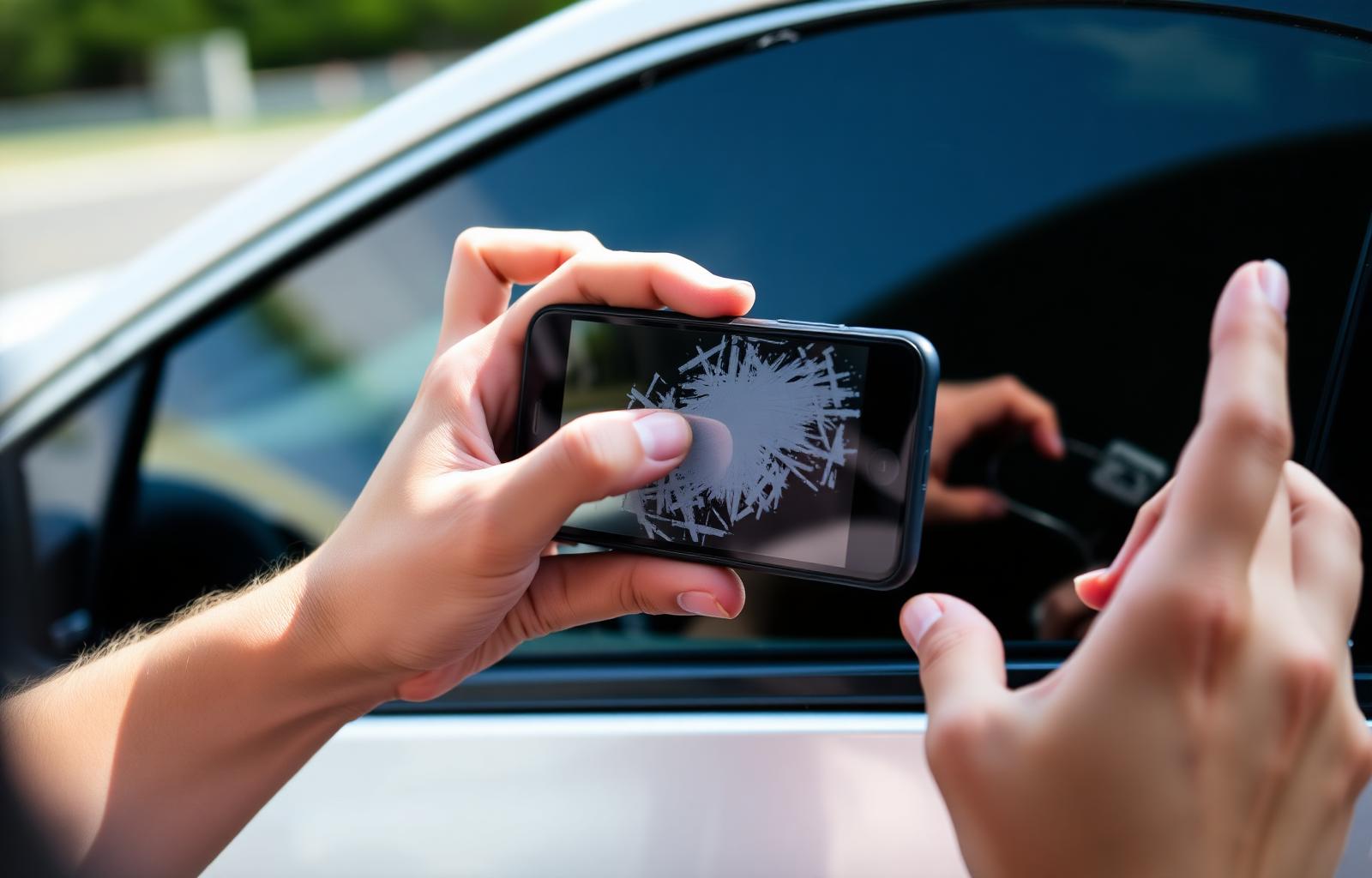
Document all damage to your vehicle thoroughly with photos and video. Also photograph the accident scene, skid marks, debris, and any paint transfer from the other vehicle on yours. This evidence supports your insurance claim and helps establish what happened.
Step 7: Seek Medical Attention
Even if you feel fine, see a doctor as soon as possible. Adrenaline after an accident can mask pain and symptoms that may not appear until hours or days later. A prompt medical evaluation creates an official record linking any injuries directly to the accident, which is critical for your claim.
Step 8: Notify Your Insurance Company
Contact your insurance company to report the accident as soon as possible. Most policies require prompt notification of accidents, and delaying this call can complicate your claim. Our step-by-step car accident checklist covers the full at-scene workflow in detail.
What Insurance Covers a Hit and Run Accident?
This is the question most drivers ask first, and the answer depends entirely on what coverage you carry in your policy.
Uninsured Motorist Coverage
Uninsured motorist coverage is the most important protection for hit and run accident victims. When the at-fault driver cannot be identified or located, they are treated legally the same as an uninsured driver. Your uninsured motorist coverage then steps in to pay for your medical bills, lost wages, pain and suffering, and in many states, your vehicle repairs.
Uninsured motorist bodily injury coverage pays for your medical expenses and related losses. Uninsured motorist property damage coverage pays for your vehicle repairs, though some states require physical contact between your vehicle and the fleeing vehicle for this coverage to apply.
Collision Coverage
If you carry collision coverage as part of your auto insurance policy, it can pay for repairs to your vehicle after a hit and run regardless of whether the other driver is ever identified. You will be responsible for paying your deductible, but the repairs will be covered up to the value of your vehicle.
Medical Payments Coverage and Personal Injury Protection
If you carry medical payments coverage or personal injury protection, these coverages can pay for your medical expenses after a hit and run accident regardless of fault or whether the other driver is identified.
What If You Only Have Liability Insurance?
If you only carry the minimum required liability insurance with no collision coverage and no uninsured motorist coverage, your options are much more limited. Liability insurance only covers damage you cause to others — it does not cover your own vehicle or injuries when another driver is at fault. This is one of the most important reasons to carry uninsured motorist coverage and collision coverage even if they are not required by your state. The Insurance Information Institute has detailed breakdowns of each coverage type.
How to File a Hit and Run Insurance Claim
Step 1: File a Police Report First
Before contacting your insurance company, make sure a police report has been filed. Most insurance companies require a police report for hit and run claims to prevent fraud. If you were not able to get an officer to the scene, visit your local police station in person to file a report.
Step 2: Contact Your Insurance Company Promptly
Notify your insurance company as soon as possible. Explain that you were involved in a hit and run accident, provide the police report number, and begin the claims process. Your insurance company will assign a claims adjuster to your case.
Step 3: Provide All Documentation
Submit all evidence you collected at the scene including photographs of the damage, the police report, witness contact information, and any surveillance camera footage you were able to obtain. The stronger your documentation, the smoother your claim process will be.
Step 4: Get a Repair Estimate
Take your vehicle to a licensed repair shop for a damage estimate. Your insurance company may also send their own appraiser to assess the damage. If you disagree with their estimate, you have the right to get an independent appraisal.
Step 5: Complete Your Medical Documentation
Make sure all of your medical visits, treatments, and expenses are fully documented. Keep records of every doctor visit, prescription, physical therapy session, and any other medical cost related to injuries from the accident.
Step 6: Review and Negotiate the Settlement Offer
Once your insurance company reviews all of your documentation, they will make a settlement offer. Remember that you are not required to accept the first offer. If the amount does not fully cover your damages and losses, negotiate or consider consulting a car accident lawyer.
What If the Hit and Run Driver Is Later Identified?
If law enforcement identifies the driver who fled the scene, your options expand significantly. You can pursue a claim directly against their liability insurance if they have coverage. If they are uninsured, you can pursue a civil lawsuit against them personally, though collecting on a judgment against an uninsured driver can be difficult.
In either case, having already filed a claim under your own uninsured motorist coverage does not prevent you from pursuing additional compensation from the at-fault driver once they are identified.
Hit and Run Accidents Involving Parked Cars
If your parked car is struck by another vehicle that leaves the scene, the process is slightly different since there are no injuries to deal with immediately.
You should still file a police report even for a parked car hit and run. Check for witnesses, look for surveillance cameras, and document all damage thoroughly. Your collision coverage will typically cover the repairs minus your deductible. Some insurance companies also apply uninsured motorist property damage coverage to parked car hit and run incidents. The National Association of Insurance Commissioners provides state-by-state guidance on what each coverage requires.
How a Car Accident Lawyer Can Help With a Hit and Run Claim
While many hit and run claims can be handled directly with your own insurance company, there are situations where hiring a car accident lawyer makes a significant difference:
- Your insurance company is denying your claim or offering an unreasonably low settlement
- You suffered serious injuries with significant medical bills and lost wages
- The hit and run driver was later identified and they are disputing liability
- You are dealing with a complex multi-vehicle accident
- Your insurance company is claiming the accident did not qualify as a hit and run under your policy terms
A car accident lawyer who works on contingency — meaning no upfront cost to you — can handle negotiations with the insurance company, gather additional evidence, and ensure you receive the full compensation you deserve.

Key Takeaways
- A hit and run accident occurs every 43 seconds in the United States
- Never chase the fleeing vehicle — stay safe and call 911 immediately
- A police report is essential for filing a hit and run insurance claim
- Uninsured motorist coverage is the most important protection for hit and run victims
- Collision coverage can pay for vehicle repairs regardless of whether the driver is found
- Document everything — witnesses, cameras, damage photos, and medical records
- You do not have to accept the first settlement offer from your insurance company
- If the driver is later identified, you may have additional options for compensation
Conclusion
Being the victim of a hit and run accident is one of the most frustrating experiences a driver can face. The person responsible has fled, leaving you to deal with the damage, the injuries, and the financial consequences on your own.
But you are not as powerless as you might feel in that moment. By taking the right steps immediately after the accident, filing a police report, and understanding what your insurance coverage provides, you can recover compensation even when the at-fault driver is never found.
The key is preparation. Make sure you carry uninsured motorist coverage and collision coverage before an accident happens. Know the steps to take at the scene. And do not hesitate to seek legal help if your insurance company is not treating you fairly.
Were You Involved in a Hit and Run Accident?
Do not navigate the claims process alone. Read our related guides on uninsured motorist coverage, how much a car accident lawyer costs, and what to do after a car accident. Have a question or story to share? Send us a tip — we read every email.
Frequently asked questions
What if no one saw the hit and run and there are no cameras?+
You can still file an insurance claim. Your police report, photographs of the damage, and your own account of events are the foundation of your claim. Uninsured motorist coverage and collision coverage do not require identification of the other driver to pay out.
Will filing a hit and run claim raise my insurance rates?+
In most states, a not-at-fault claim like a hit and run should not raise your rates significantly. However, policies and state regulations vary. Ask your insurance agent specifically about how a hit and run claim affects your premium before filing.
How long do I have to file a hit and run insurance claim?+
Most insurance policies require you to report accidents promptly — often within 24 to 72 hours. Additionally, every state has a statute of limitations for personal injury claims, typically ranging from 2 to 3 years. Do not delay reporting the accident to your insurer.
What if the hit and run driver is caught but has no insurance?+
If the driver is identified but uninsured, your uninsured motorist coverage still applies. You may also be able to sue the driver personally in civil court, though collecting on a judgment from an uninsured driver can be challenging.
Continue reading
Sources
Have you ever filed a car insurance claim?
Share your experience or send us a tip — our reporters read every email and use anonymized stories to shape future coverage.
Send us your storyMore from Crash & Cover

How to Negotiate an Insurance Settlement After a Car Accident — Step by Step Guide
The insurance company's first offer is almost never their best offer. Here is the step-by-step playbook for countering lowball offers and negotiating the settlement you actually deserve.
Daniel Reyes · May 21, 2026 · 16 min

Car Accident Settlement — How Much Money Can You Get?
Car accident settlements range from a few thousand dollars to millions. Here's exactly how payouts are calculated — and how to make sure you get every dollar you deserve.
Daniel Reyes · May 15, 2026 · 13 min

What to Say (and NOT Say) to Your Insurance Adjuster After a Crash
Insurance adjusters are trained to settle for as little as possible. Here's the exact script — what to say, and what to never say — when an adjuster calls after your crash.
Daniel Reyes · May 15, 2026 · 11 min